


Exploring the social consequences of gambling in modern society
The Rise of Gambling in the Digital Age
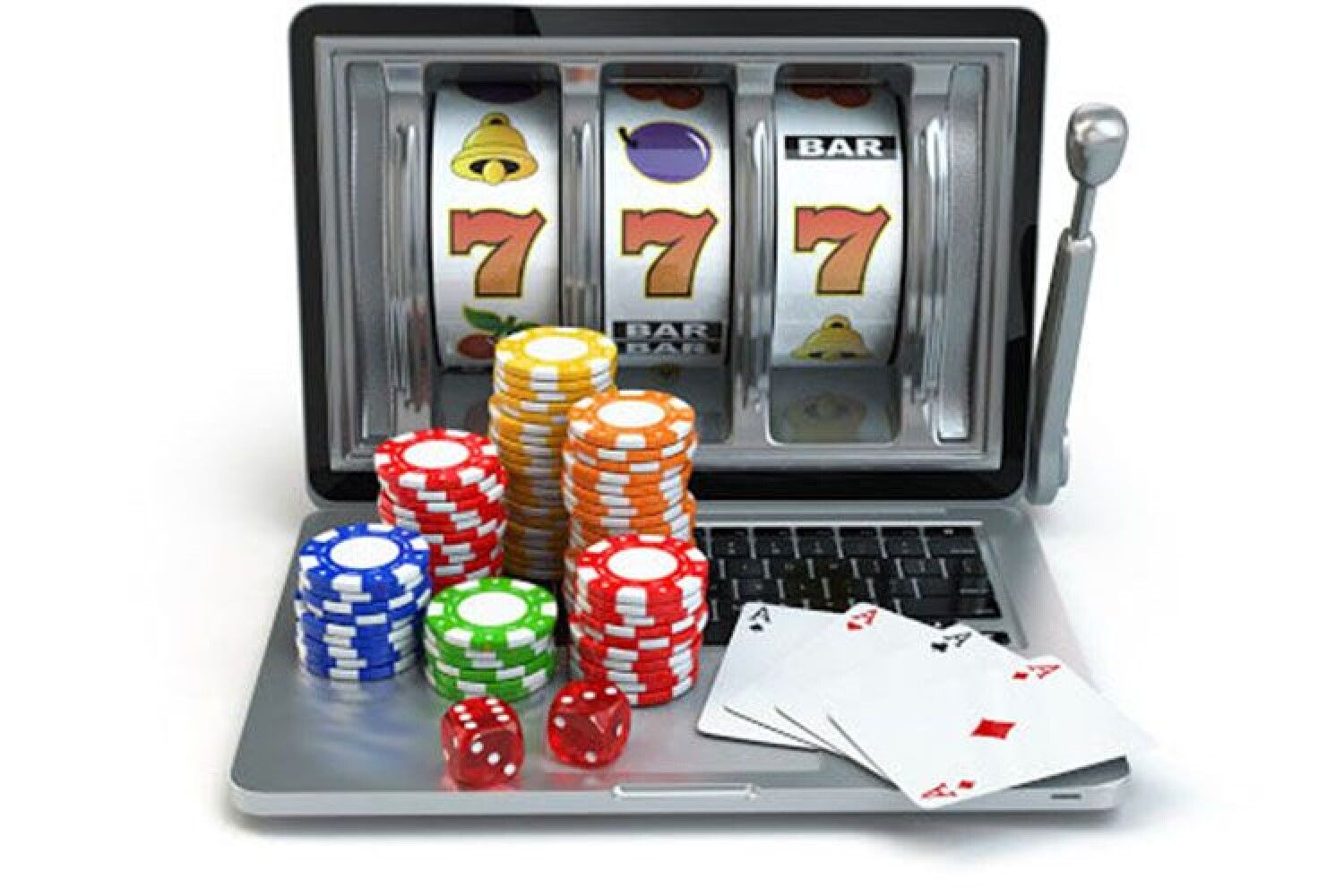
The advent of technology has revolutionized many aspects of our lives, and gambling is no exception. With online casinos, sports betting apps, and social gaming platforms proliferating, access to gambling has become remarkably easy. This rise in availability has led to an increase in participation, with more individuals engaging in gambling activities than ever before. The convenience of online platforms allows users to gamble from their homes, which can sometimes lead to impulsive behavior and unregulated betting habits. To learn more about responsible gambling practices, you can click here.

Moreover, the increased visibility of gambling has contributed to a cultural normalization of these activities. Many popular shows, movies, and even advertisements glamorize gambling, portraying it as an exciting and luxurious pursuit. This portrayal can influence public perception, making gambling seem like a harmless hobby rather than a potential pathway to financial instability and addiction. The ease of access and social acceptance raises concerns about the mental health implications and societal costs of gambling.
As gambling becomes further entrenched in society, the potential for adverse social consequences increases. The casualization of gambling may lead to a lack of awareness regarding its risks, particularly among younger audiences who may not fully grasp the implications of gambling behavior. Educational campaigns and community resources are essential to counteract the narrative that gambling is merely a fun pastime, as it can lead to severe outcomes for individuals and families alike.
The Impact on Mental Health
The correlation between gambling and mental health issues has been a growing concern in modern society. Research has shown that individuals who engage in gambling may experience anxiety, depression, and heightened stress levels. The thrill of gambling can be addictive, leading people to chase losses and further entrench themselves in a cycle of despair. This negative spiral can impact not only the gambler but also their families and close friends, creating a ripple effect of emotional distress. Strategies for winning at gambling should include understanding these mental health aspects.
Additionally, the financial strain resulting from gambling can exacerbate mental health issues. As individuals lose more money, they may face mounting debt, which can lead to feelings of shame, isolation, and hopelessness. In extreme cases, this strain can drive individuals toward harmful coping mechanisms, such as substance abuse. The interconnection between gambling behavior and mental health necessitates targeted support systems that address both issues simultaneously.
Moreover, the stigma surrounding gambling addiction can deter individuals from seeking help. Unlike other forms of addiction, gambling is often perceived as a personal failing or lack of self-control. This stigma can prevent those suffering from reaching out for support, whether from professionals or their social circles. It is crucial to foster a more open dialogue about gambling addiction and to promote accessible resources for individuals in need of assistance, thereby mitigating its detrimental impact on mental well-being.
Social Relationships and Community Dynamics
The social consequences of gambling extend beyond individual experiences; they also affect community dynamics and relationships. As individuals invest time and resources into gambling, their relationships with family and friends can deteriorate. Time spent gambling often comes at the expense of meaningful interactions, leading to feelings of neglect and resentment among loved ones. This fragmentation can ultimately weaken social networks and erode community cohesion.
Furthermore, the financial implications of gambling can lead to significant strain within families. When one member of a household engages in problematic gambling behavior, it can create financial insecurity, leading to conflicts over money and resource allocation. Families may find themselves in a cycle of financial distress, which can further strain relationships. The broader implications for community welfare are also concerning, as increased gambling-related issues may lead to a rise in crime rates and public disorder.
Additionally, communities that rely on gambling revenues often face complex dynamics. While local economies may benefit from casinos and betting establishments, the social cost can be profound. For example, increased gambling activity can lead to an uptick in homelessness, substance abuse, and crime in the surrounding areas. As a result, it is essential for communities to weigh the economic benefits of gambling against the potential social and ethical consequences that may arise from its proliferation.
Regulation and Responsible Gambling Initiatives
In response to the growing concerns surrounding gambling, regulatory bodies and organizations have begun to implement responsible gambling initiatives. These initiatives aim to promote safe gambling practices and protect vulnerable populations. For instance, many jurisdictions have mandated that gambling establishments provide information about responsible gambling and offer self-exclusion programs for individuals who recognize their gambling as problematic.
Moreover, educational campaigns play a vital role in informing the public about the risks associated with gambling. By increasing awareness of the signs of gambling addiction and offering resources for help, these campaigns can mitigate the impact of gambling on individuals and communities. Collaboration between governmental bodies, healthcare organizations, and community groups is crucial in creating a comprehensive strategy to combat gambling-related issues.
Additionally, technology has provided innovative solutions for promoting responsible gambling. Many online platforms now offer tools that allow players to set limits on their spending and playtime. These features can empower individuals to engage in gambling activities more responsibly and minimize the risk of developing unhealthy gambling habits. By fostering a culture of responsible gambling, society can work towards balancing the enjoyment of gambling with the need for protection and support for those at risk.
Conclusion and Further Resources
In summary, the social consequences of gambling in modern society are multifaceted and demand careful consideration. From the rise of digital gambling platforms to the impact on mental health and community dynamics, the implications are far-reaching. It is essential for individuals, families, and communities to engage in informed discussions about gambling and to seek out resources that promote responsible behavior and support for those affected by gambling-related issues.
As more people navigate the complexities of gambling, platforms like ours are committed to providing valuable insights and resources to help individuals make informed choices. By fostering an understanding of the consequences of gambling, we can empower individuals to participate in gambling activities responsibly while advocating for community support systems to assist those in need. Together, we can work towards a healthier relationship with gambling in our society.